
My wife and I had an informative and enriching Sept/Oct vacation visiting the Balkans, and we topped it off with a stopover in London to check off one on my bucket list - attending a performance at the Royal Opera House in Covent Garden! I intended to keep this a vacation and not write about the production of Alcina which I saw there, so I will only have a few comments on the performance. This is a report on my impressions from visiting one of the world’s great opera houses.
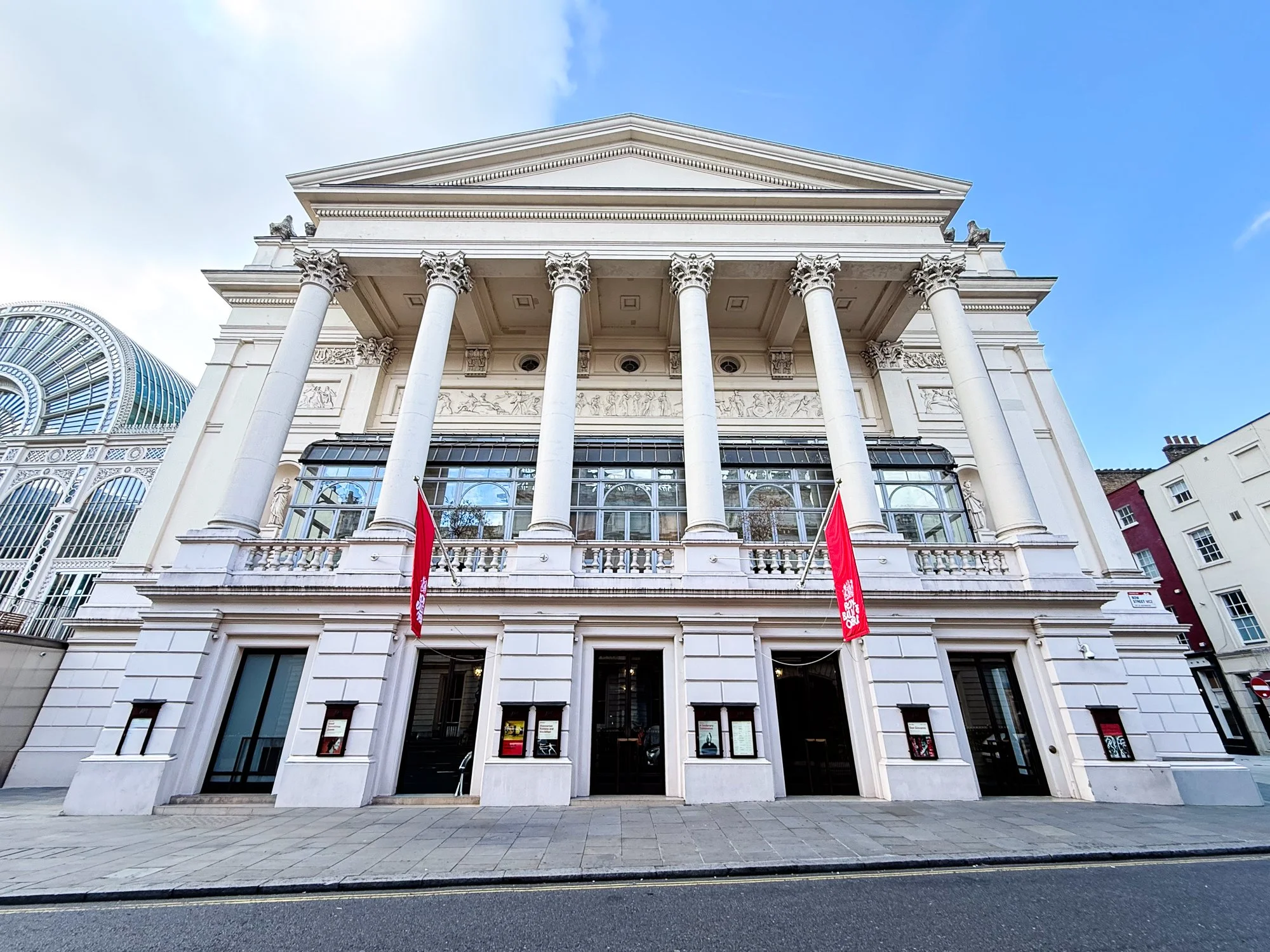
The front of the Royal Opera House facing Bow Street. To the left is Paul Hamlyn Hall beside and enmeshed with the ROH.Photo by Debra Rogers.
Visiting central London, like any popular metropolis, is expensive. A taxi or pre-booked car from Heathrow Airport to the inner city typically takes over an hour and costs over $100. The London Underground, while requiring careful following of signs and a little courage, is faster and costs under $10. The popular area we visited was crowded with fast-moving foot traffic on the main streets, and for the popular West End theatre district streets, the streets were filled long after our bedtime.
As often happens when traveling to other countries, my impressions of what I will see there are out of date or totally wrong. So first, let me say that Covent Garden is not a garden, not a green space. It is a hustling, bustling commercial area sitting adjacent to the London West End theatre district. You will not see grass or trees there. The Royal Opera House sits on one edge of the Covent Garden plaza that is surrounded by shops and restaurants, including a large Apple Store; there is a market in the middle featuring dining and upscale brands.. Stands also allow small businesses and individuals to sell their wares, including real apples. Street performers can often be found in the plaza. Commercial activities spill into the intersecting streets. It is one of London’s main shopping areas. The area’s medieval name was Convent Garden, a walled area where the Benedictine monks of Westminster Abbey grew produce. Over the years, “Convent” became “Covent”. In the 1630s, the area was refashioned as an Italian-style plaza, and the first theatre on the site opened in the early 1730s.
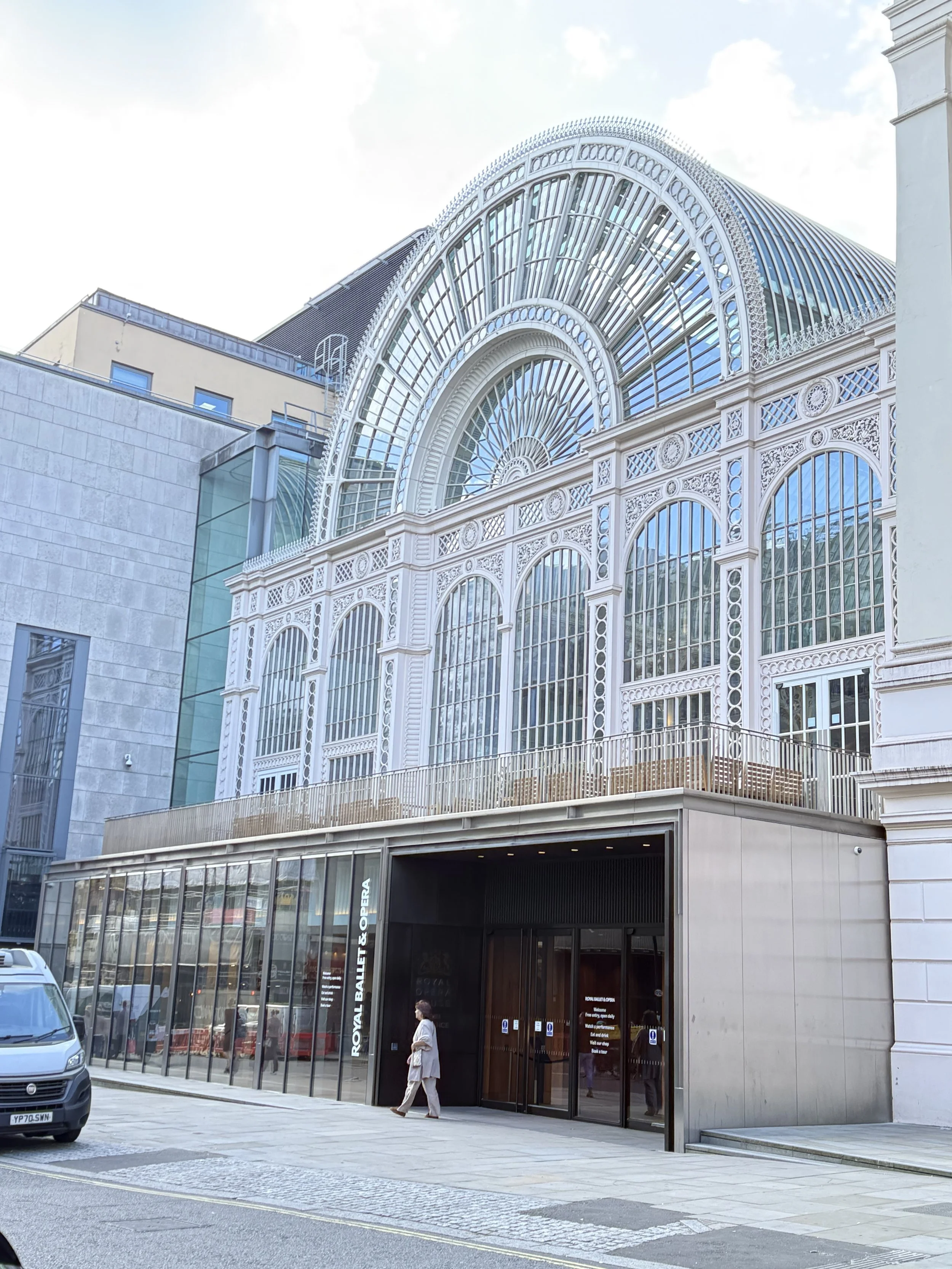
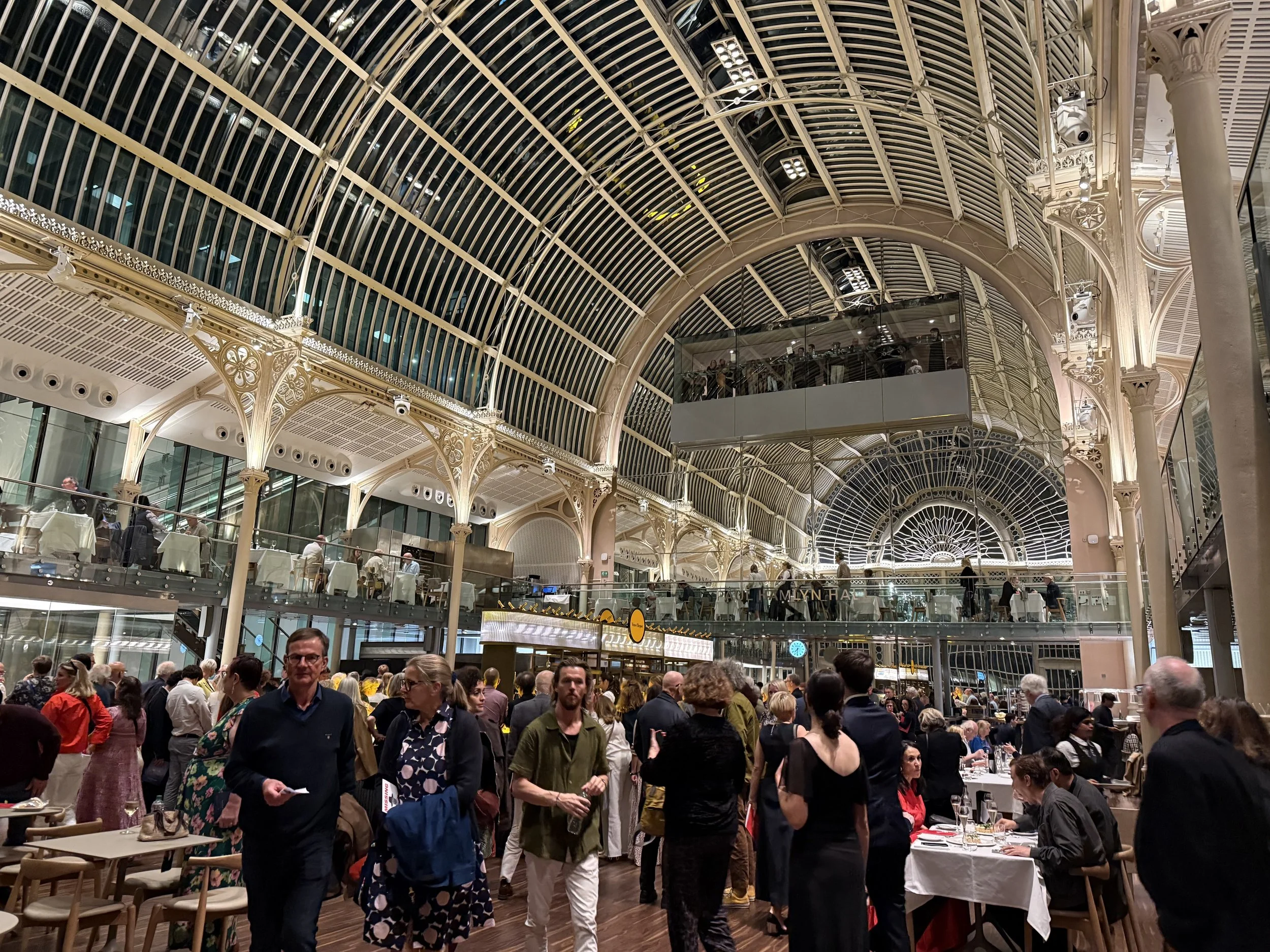
An outsidee daytime view of Paul Hamlyn Hall by Debra Rogers and an inside nightime view of the hall taken by the author.
We had attended West End theater performances on previous trips while staying in other areas of London, but this time, we went to London totally focused on attending opera at the Royal Opera House, and I hadn’t checked out what else might be close by. We stayed in a hotel on St. Martin’s Lane on the edge of Covent Garden, which turned out to be in the heart of the West End theatre district, with half a dozen theatres within easy walking distance. We discovered that a few doors down from our hotel was the London Coliseum, where another famous opera company performs, the English National Opera, and Trafalgar Square was just a block and a half away. The National Gallery, a world-renowned art museum, sits on one side of Trafalgar Square. We enjoyed traditional fish and chips at a nearby pub that featured photos/portraits of past opera performers in the hallway. The pubs also offer modern dining, and there are also many upscale restaurants in the area. For those of us who love the arts, especially the performing arts, the juxtaposition of Covent Garden and the West End theatre district seemed like nirvana.
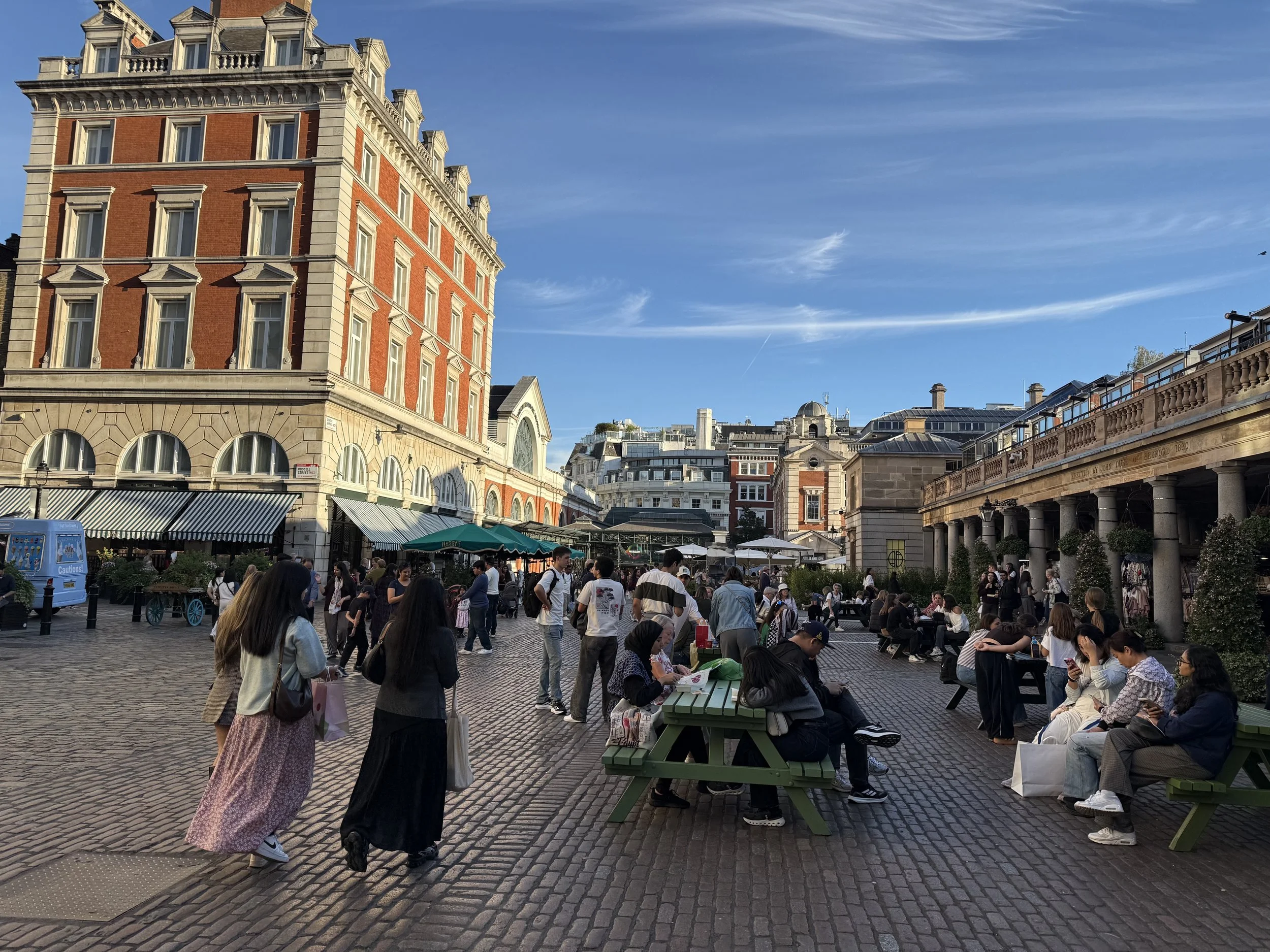
A view down one of the corridors of Covent Garden plaza with the central mixed use market to the right. In the back left corner is the Covent Garden entrance to Paul Hamlyn Hall and the ROH. Photo by Debra Rogers.
The Royal Opera House is a large, stately-looking building that is home to the Royal Ballet and Opera Company. The ROH now consists of two attached, complex structures, one housing the performance hall and associated rooms, and another, the Paul Hamlyn Hall, a large glass-and-iron framed building that contains several restaurants and bars on three levels. One interesting aspect of a couple of the restaurants is that it is possible to reserve tables so that you can have your appetizer and entrée before the opera begins and then have the table reserved for dessert and coffee during intermission. The opera house is often open with limited access for viewing and offers several tours to sign up for. Paul Hamlyn Hall is open for business even when the opera hall is dark.
Since the first theater was built on the site nearly 300 years ago, it has been ravaged by fire twice, renovated many times, and served many purposes, especially during WWI and WW2. The fundamental structure of the building has remained much the same since the renovations of 1997-1999, though with significant later changes and added features. The ROH also includes a small performance venue, the Linbury Theatre, which is underground. I found navigating the labyrinth of hallways to the seating area a challenge on my first visit, but plenty of staff are around to direct you to your seats.
As I emerged from the hallway into the performance hall, I was more than a little star-struck. It’s an impressively beautiful hall. I stood staring and taking photos for quite a while, and was not alone in doing so. My unprofessional video clip follows:
The opera I attended that night was George Frederic Handel’s Alcina, a baroque opera whose central character Alcina has magical powers over the humans on an island, capable of causing desirable men to fall in love with her, and also allow her to turn these lovers into animals or rocks when she was ready to discard them. Alcina premiered at the Covent Garden Theatre in 1735, a predecessor of the ROH. The opera 2026 performances were staged in spectacular fashion, with costumes that varied by period and by animal or rock. The ROH orchestra which, included period instruments, was excellent; the music was a highlight of the performance.
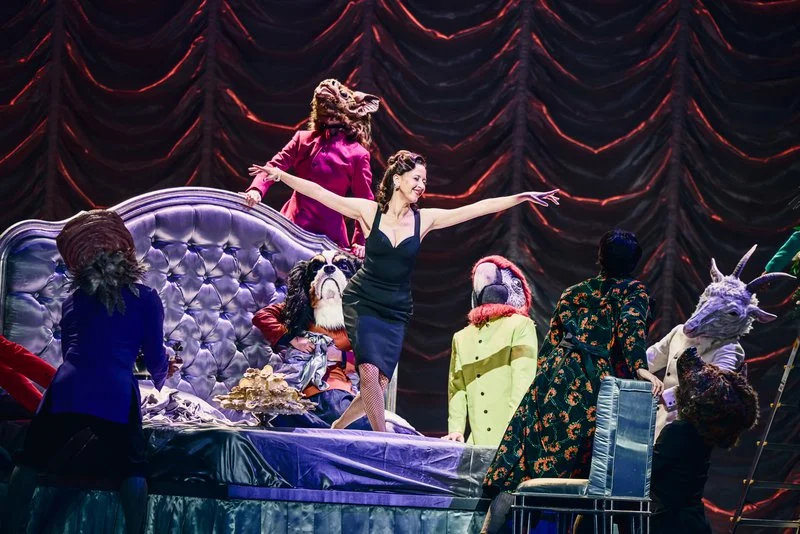
Lisette Oropesa as Alcina surrounded by past lovers, transformed. Photo by Ian Hippolyte; courtesy of the Royal Opera.
One reason I chose to attend this production was that superstar soprano Lisette Oropesa played Alcina. I am a fan and my interest was well served by the fantastic singing she delivered, mainly dressed in a 1920s ballroom dress. I am also a fan of mezzo-soprano Emily D’Angelo, who impressed with her portrayal of Ruggeiro, an already betrothed man who Alcina falls in love with. The remainder of the cast that I was unfamiliar with were quite good in their roles. Among those performers, I especially enjoyed soprano Mary Bevan, who sang beautifully the role of Alcina’s sister, Morgana, and she brought a bit of charming swagger to the role.
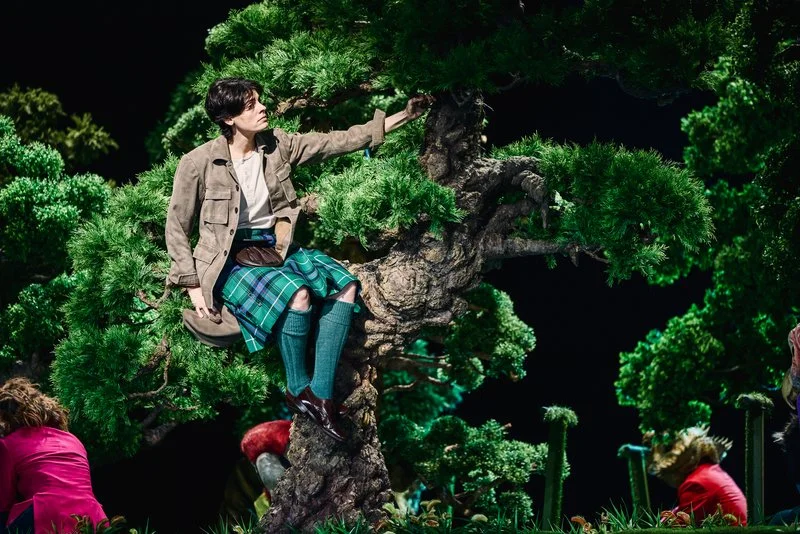
Emily D’Angelo as Ruggeiro, who captures Alcina’s heart. Photo by Ian Hippolyte; courtesy of the Royal Opera.
With apologies to librettist Antonio Fanzaglia and Antonio Marchi’s arrangement, I have always found Alcina to have a confused plot with high potential, and the ROH production did not untangle it. Alcina’s interesting and compelling transformation is left unfinished, leaving me wondering where she went from there, and the required Baroque happy ending is heavy-handed, mixing human motives with puritanism. That said, as played by this troupe, it was great fun. The plot is typically redeemed by the extraordinary music and vocals that Handel serves up; this is a singer’s opera. In addition, the ROH production had a lot of glitter and pizazz. My expectations of something special were fulfilled.
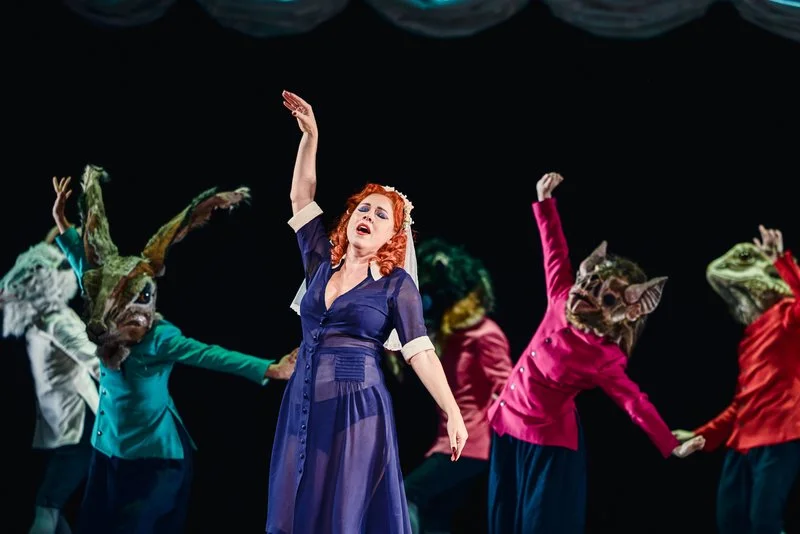
Mary Bevan as Morgana. Photo by Ian Hippolyte; courtesy of the Royal Opera.
As fate would have it, I only partially cleared the Royal Opera House from my bucket list. My wife wasn’t feeling well and didn’t attend the performance with me. To our surprise, the opera company was willing to offer our returned ticket for sale and provided a refund, since it sold quickly given that the performance was a sellout. A very disappointing event, at the end of a wonderful vacation, but it provided even stronger incentive to revisit the ROH, and take more advantage of all that Covent Garden and the West End theatre district have to offer.